

For many Philadelphia homeowners, the goal is simple: stay in the home they love for as long as possible, comfortably and safely. Whether you're planning ahead, supporting an aging parent, or recovering from an injury, thoughtful accessibility upgrades can make an enormous difference — and many of them don't require a full renovation.
Why Philadelphia Homes Present Unique Challenges
Philadelphia's housing stock is among the oldest in the nation. Many rowhouses were built in the early 20th century or earlier, featuring narrow doorways, steep staircases, small bathrooms, and limited first-floor living options. These characteristics, while charming, can create real obstacles for residents with mobility limitations or those who use assistive devices.
Grab Bars: The Single Most Impactful Upgrade
Grab bars in the bathroom — next to the toilet and inside or alongside the tub and shower — are consistently identified by occupational therapists as the highest-impact, most cost-effective accessibility modification available. The critical detail is proper installation: grab bars must be anchored into wall studs or with appropriate toggle anchors rated for the load. An improperly installed grab bar that pulls from the wall is more dangerous than no bar at all. This is a task where skilled installation genuinely matters.
Additional Accessibility Improvements
Handrail reinforcement and extension: Staircases in Philadelphia rowhouses often have single, short railings. Extending handrails to the full length of the staircase, or adding a second rail on the opposite side, significantly improves safety.
Threshold and transition ramps: Small threshold ramps at exterior doors or between flooring types reduce trip hazards for users of walkers, wheelchairs, and canes.
Lever-style door hardware: Replacing round doorknobs with lever handles throughout the home is a small change with a large impact for people with arthritis or limited grip strength.
Improved lighting: Adding motion-activated night lights in hallways, stairwells, and bathrooms reduces fall risk significantly. Replacing switches with illuminated or larger rocker-style switches improves usability.
Handheld shower heads: Swapping a fixed shower head for a handheld unit with an adjustable slide bar improves bathing safety and flexibility.
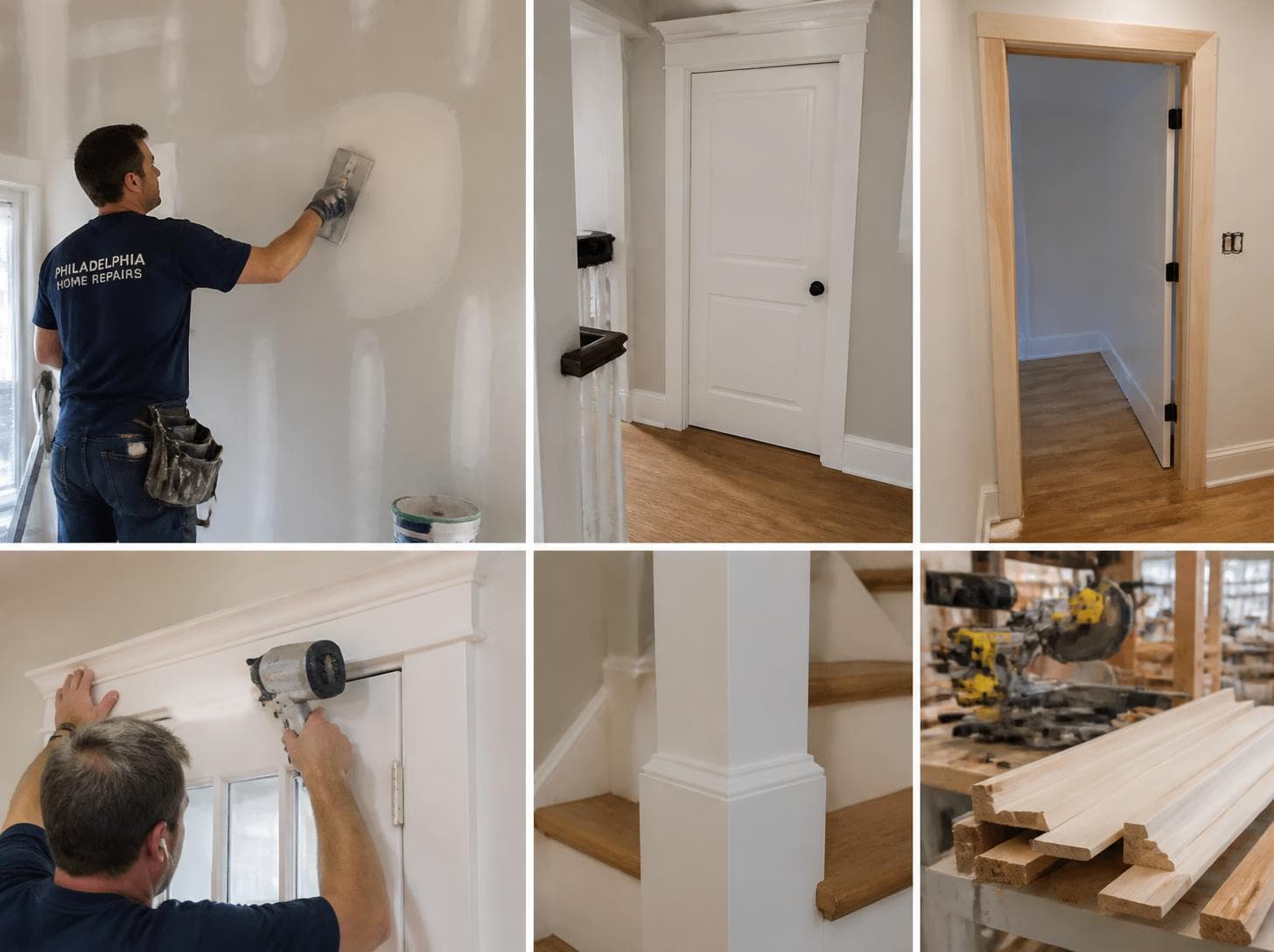
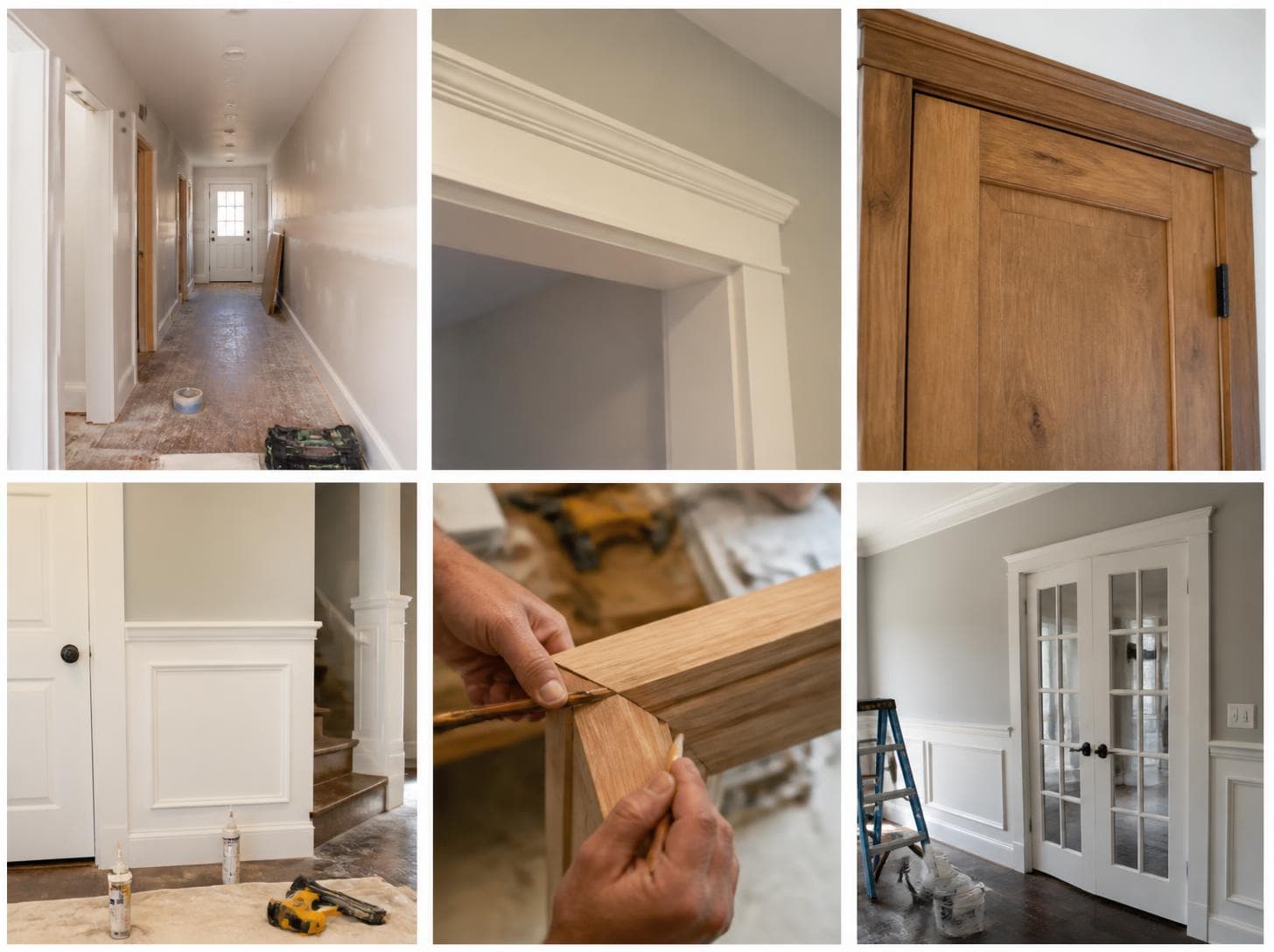
Doorway clearance: Widening doorways to accommodate a wheelchair is a more significant carpentry and potentially structural project. Philadelphia Handyman Pro can assess standard door widening and connect you with licensed contractors when structural modifications are involved.
Planning Thoughtfully
If you're making accessibility modifications with a specific medical need in mind, consulting with an occupational therapist before beginning work can help prioritize the most meaningful upgrades for your situation.
Make Your Philadelphia Home Work for Every Stage of Life
Philadelphia Handyman Pro assists Philadelphia homeowners with grab bar installation, handrail improvements, hardware upgrades, lighting, and other practical accessibility modifications. Contact us for an honest assessment and upfront estimate.
Discussion
Comments
0 commentsNo comments yet
Be the first to comment on this article.
Join the conversation
Leave a Comment