
Philadelphia's iconic rowhouses are some of the most charming and practical homes in America. But their shared walls, aging infrastructure, and distinctive architectural details also mean they carry a unique set of maintenance demands. Whether you live in Fishtown, South Philly, West Philadelphia, or Germantown, keeping your rowhouse in top shape requires a proactive, organized approach.
Inside the Home
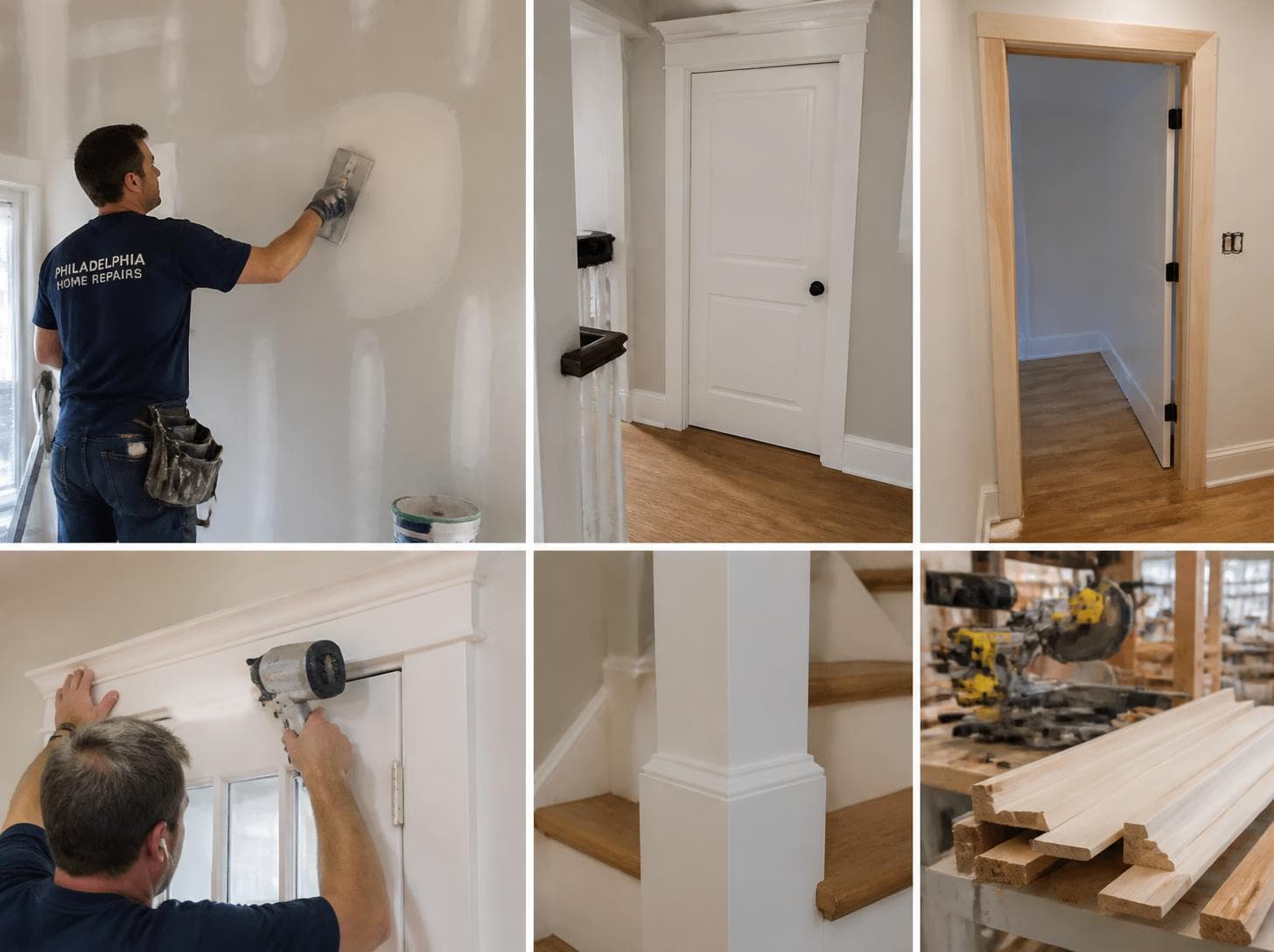
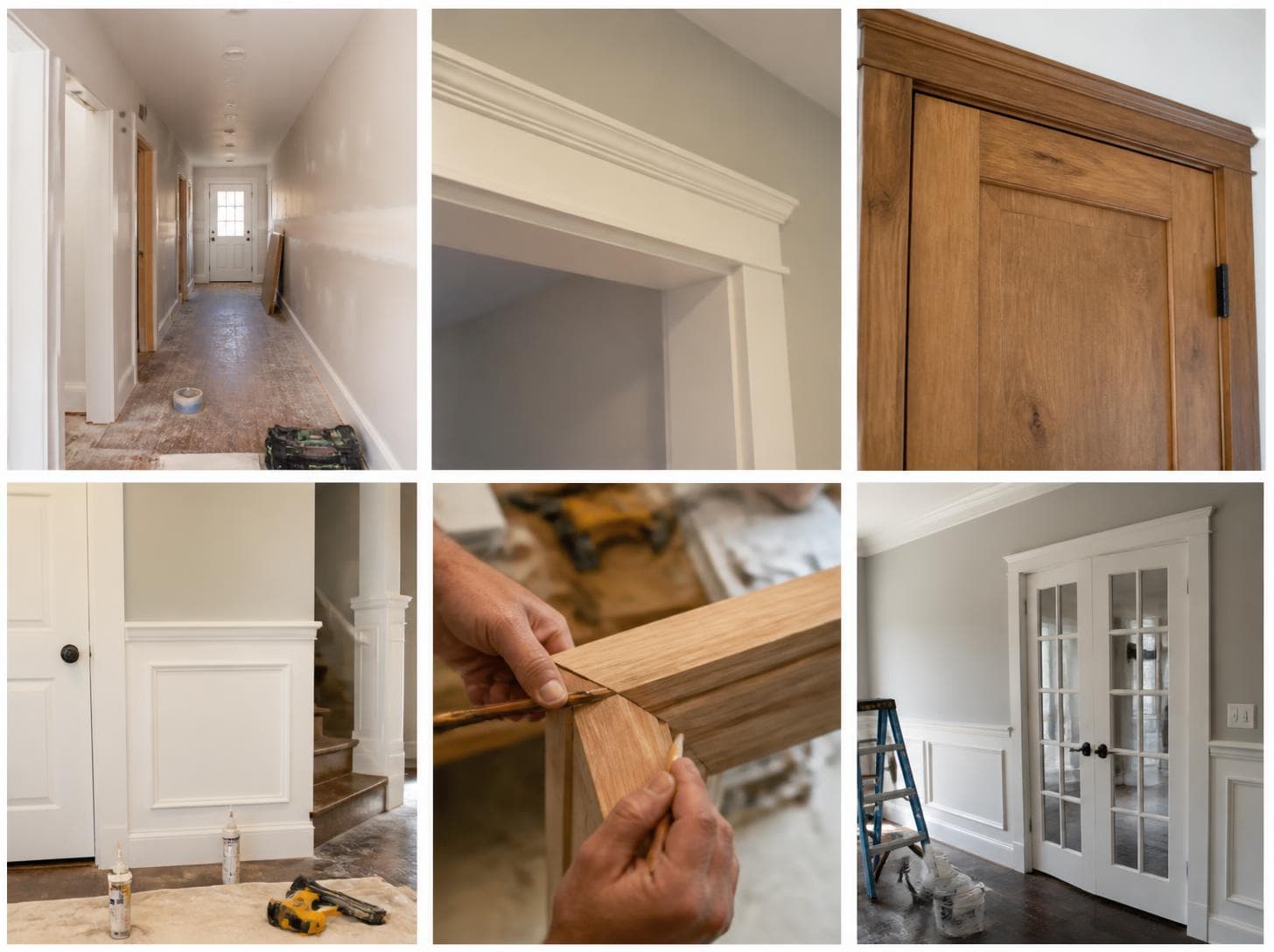
Start with your doors. Rowhouse interior and exterior doors are notorious for shifting with the seasons — Philadelphia's humid summers and cold winters cause wood to expand and contract. A squeaky, sticking, or poorly latched door isn't just annoying; it can compromise security and energy efficiency. Check hinges, latches, and weatherstripping twice a year.
Next, inspect your walls and ceilings. Plaster and drywall in older Philadelphia homes often develop cracks, nail pops, and water stains. Small cracks may be cosmetic, but stair-step cracks near windows or corners can indicate settling. Address cosmetic damage promptly to prevent it from worsening.
Check every outlet, light switch, and fixture cover plate. Loose or cracked covers are inexpensive to replace and prevent safety hazards. While you're at it, test your smoke and carbon monoxide detectors and replace batteries as needed.
Plumbing Basics
Look under every sink for evidence of slow drips. Check the supply lines and the P-trap for corrosion or moisture. A slow drip often means a worn washer or a loose compression fitting — the kind of minor faucet repair a handyman can tackle. If you notice low water pressure throughout the house, that's worth a deeper investigation.
Structural and Exterior
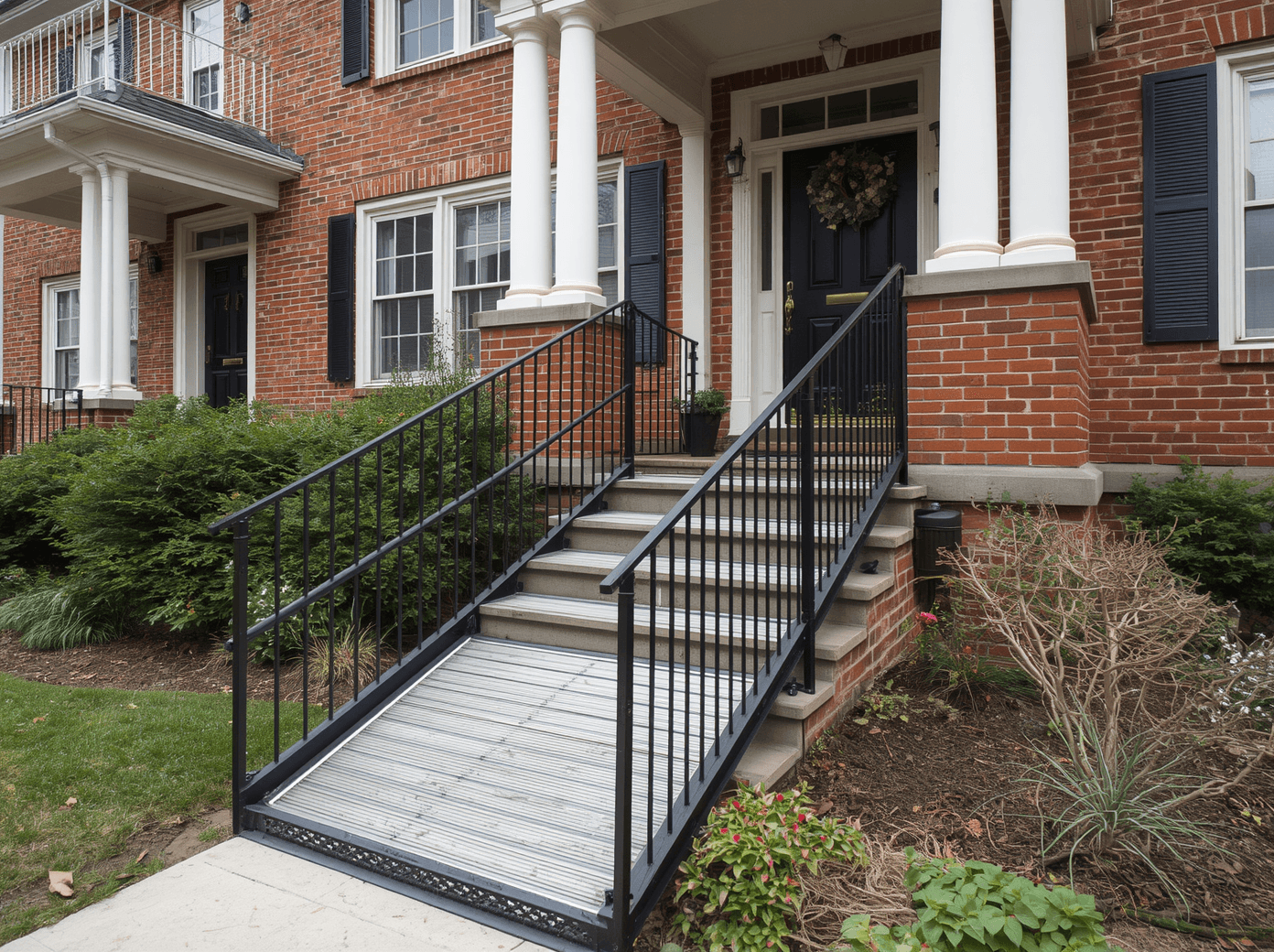
From the street, take a long look at your façade. Check the mortar between bricks for crumbling or gaps, called "spalling." This is common in Philadelphia's older stock and should be addressed before moisture penetrates deeper. Inspect your front stoop for cracked or sunken steps. Look at the roofline from the sidewalk for sagging or missing shingles.
Check your basement for moisture intrusion after heavy rain. Philadelphia's older rowhouses can be vulnerable, especially if downspout extensions are missing or clogged gutters are directing water toward the foundation.
Create Your List, Then Prioritize
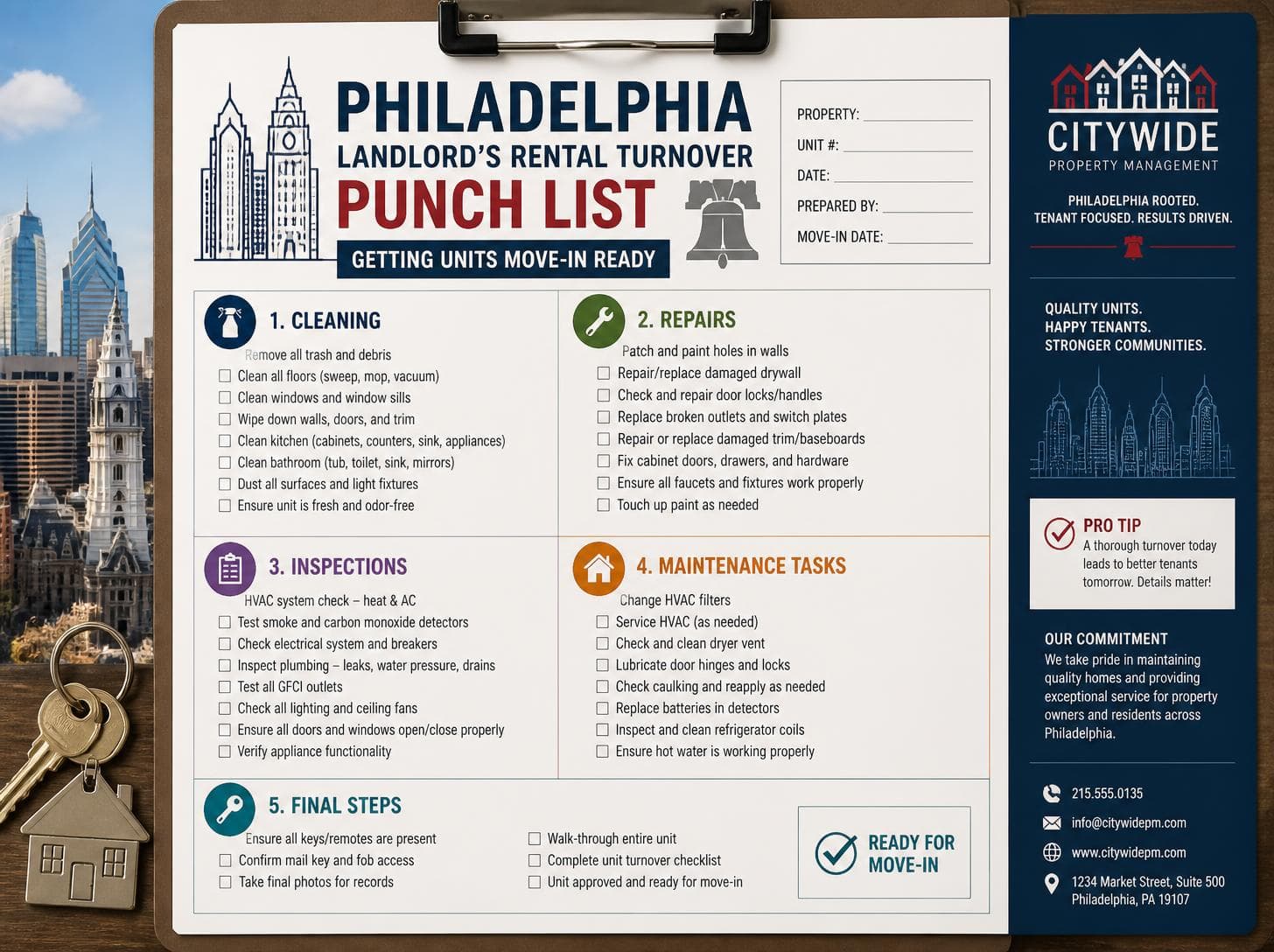
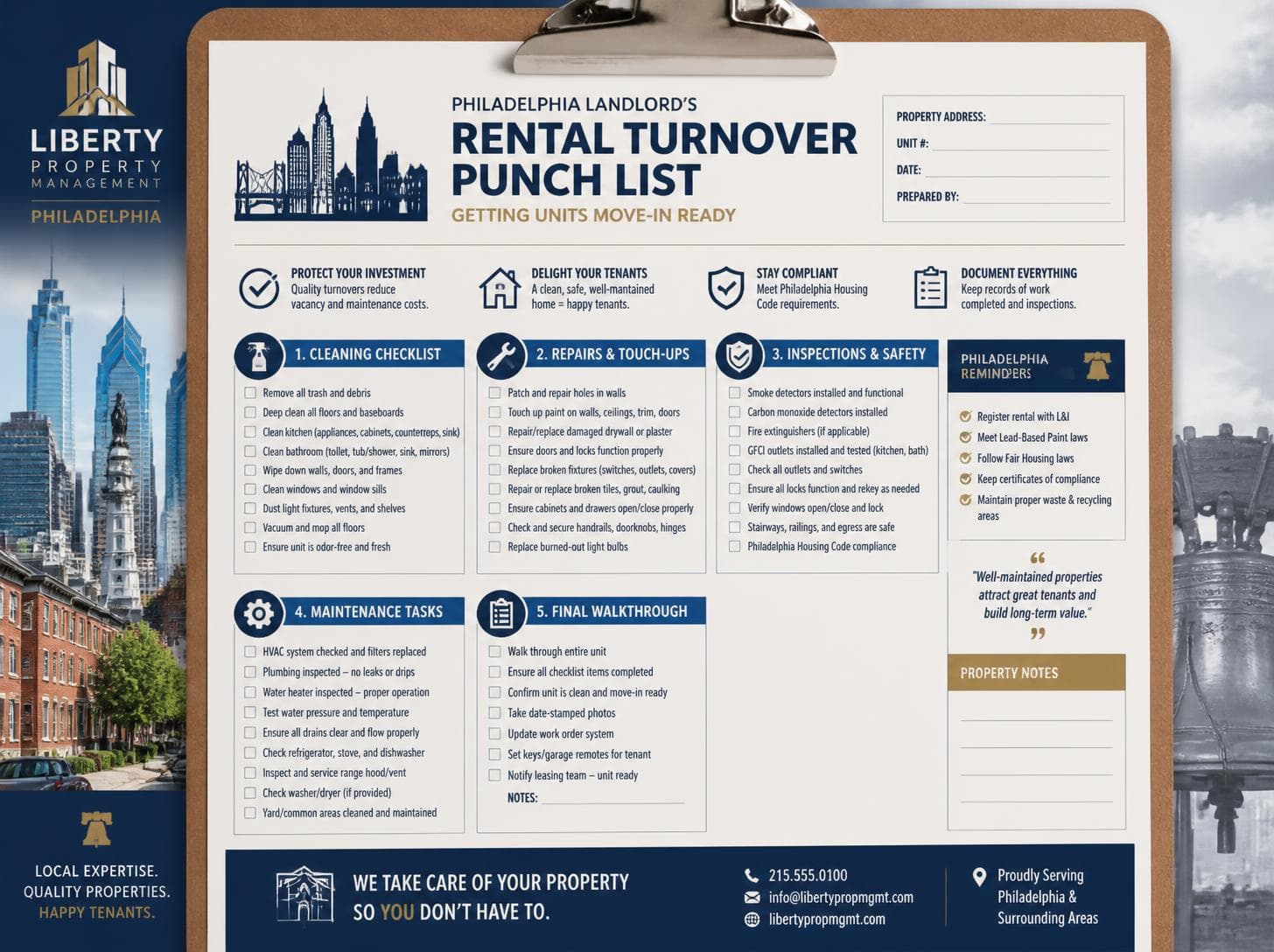
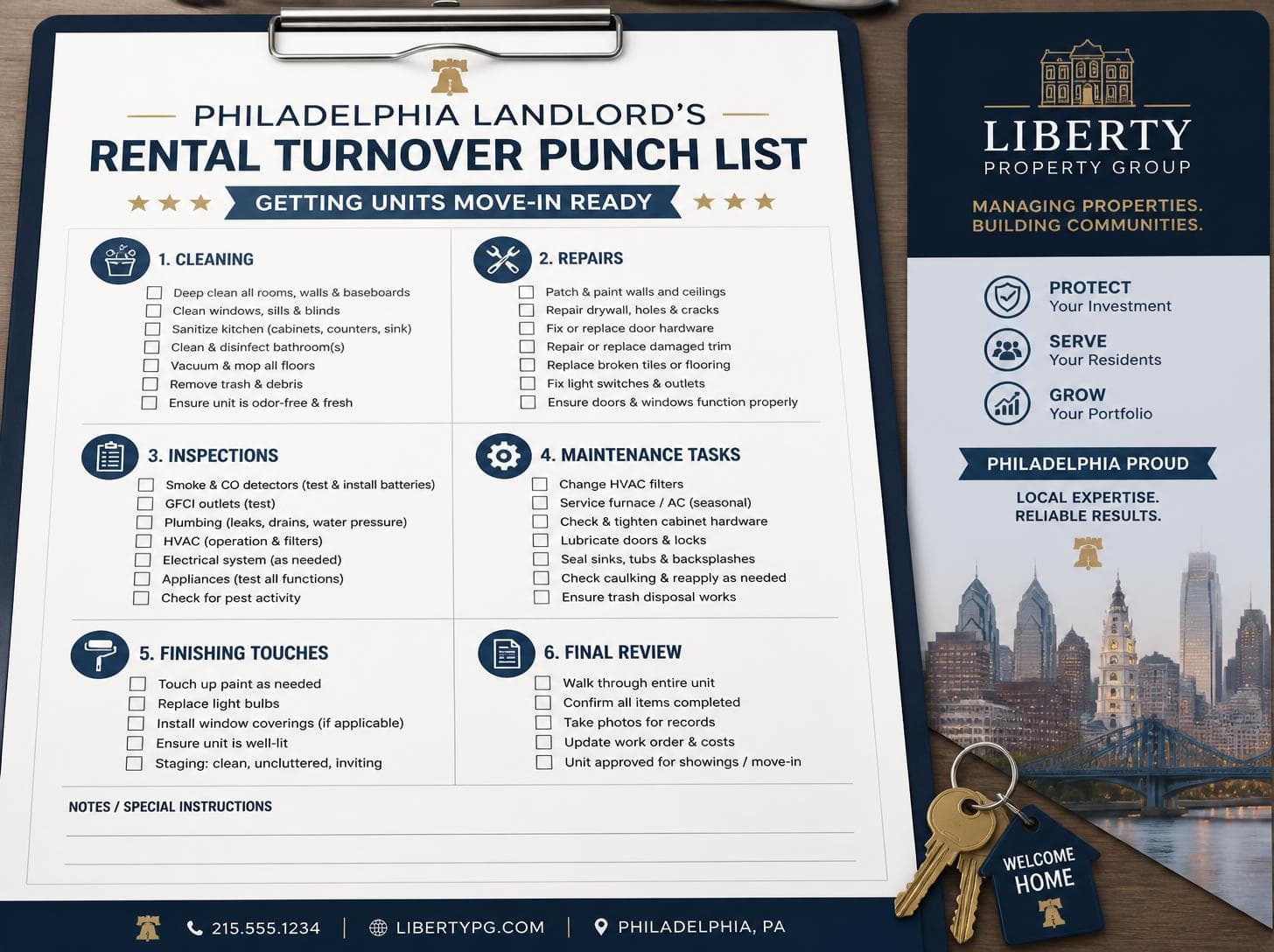
The most effective approach is a written checklist reviewed each spring and fall. Organize tasks by urgency: safety items first, weatherproofing second, cosmetic improvements third. Small repairs handled promptly almost always cost less than deferred maintenance that escalates.
A Helpful Tip for Shared Walls
If you share a wall with a neighbor, coordinate on issues that may affect both properties — especially moisture and pest entry points near party walls. Good communication is one of the best tools a Philadelphia rowhouse owner has.
Ready to Work Through Your List?
Philadelphia Handyman Pro helps Philadelphia homeowners stay on top of the repairs, maintenance tasks, and improvements that keep rowhouses safe, comfortable, and looking their best. Contact us for a clear, upfront estimate — no surprises, just reliable local workmanship.
Discussion
Comments
0 commentsNo comments yet
Be the first to comment on this article.
Join the conversation
Leave a Comment