

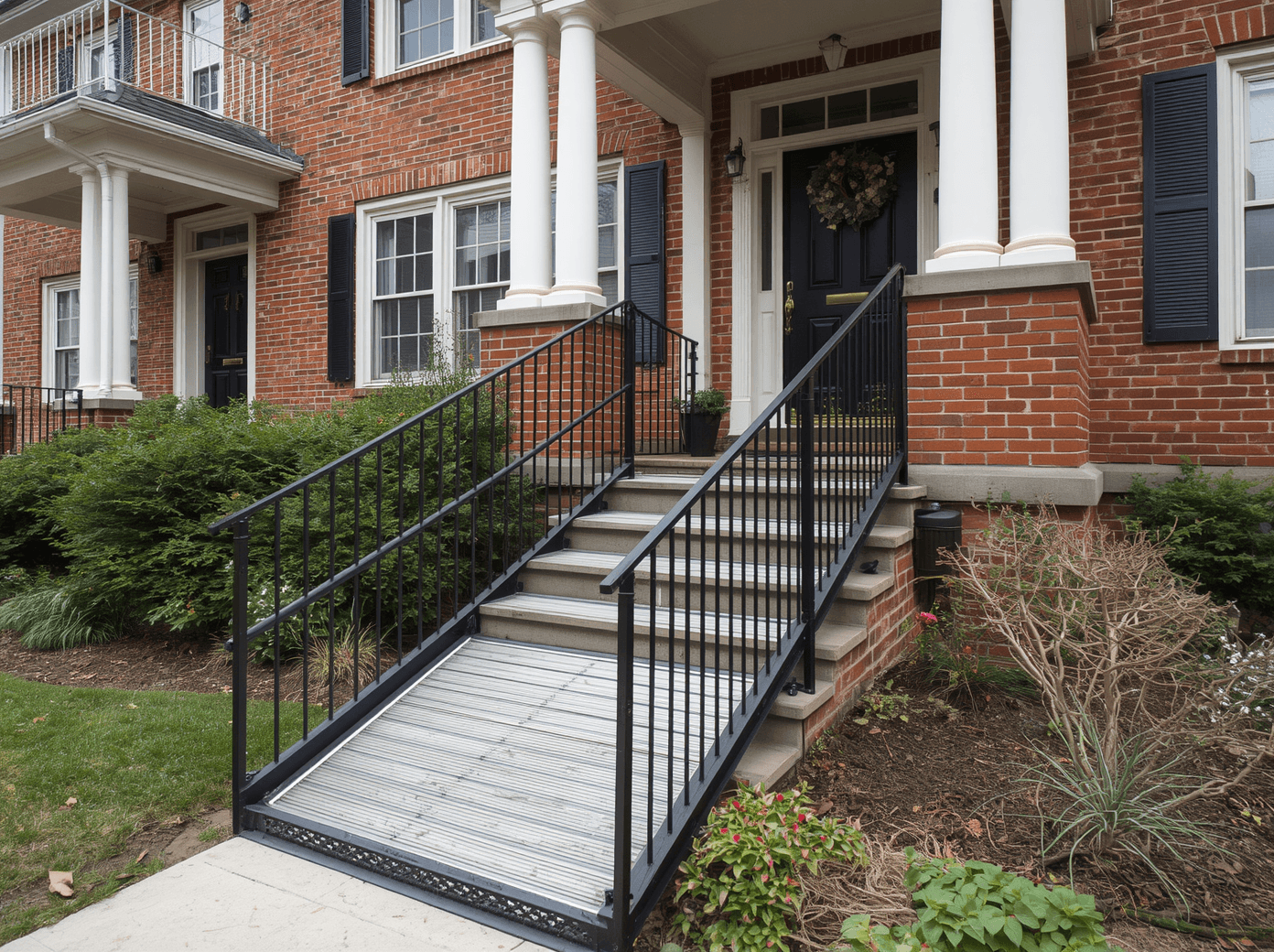
Philadelphia sees its share of punishing weather — summer thunderstorms, nor'easters, and the occasional tropical remnant that dumps several inches of rain in hours. Water is, without question, the most destructive force a Philadelphia home faces over its lifetime. The difference between a home that handles these events well and one that suffers repeated damage is almost always proactive maintenance.
Before the Storm: What to Inspect
Gutters and downspouts: This is the most critical line of defense. Gutters clogged with leaves, debris, and granules from aging shingles allow water to overflow directly against your home's foundation and façade. Clean gutters at least twice a year — once in late spring after seed pods fall and again in late fall after leaves have dropped. Make sure downspout extensions direct water at least four to six feet away from the foundation.
Caulking and sealants: Check every exterior joint — around windows, door frames, utility penetrations (gas lines, hose bibs, electrical conduits, cable lines), and where different materials meet. Failed caulk is invisible from a distance but allows water and air infiltration that leads to rot, mold, and interior damage over time. Refreshing exterior caulk is inexpensive and extremely effective.
Window wells and basement window covers: Many Philadelphia rowhouses have basement windows at or below grade. Debris-filled window wells can direct water directly against basement windows during heavy rain. Keeping them clear and ensuring window wells have proper drainage is important preventative maintenance.
After a Storm: What to Check
Walk your property after any significant storm and note any new moisture entry points. Check your basement for fresh water on the floor or at wall-floor junctions. Look at interior ceilings for water staining that wasn't there before. Inspect attic spaces (or the ceiling below the roof) for evidence of new leaks.
Check exterior downspouts and extensions — storms frequently dislodge them. Make sure sump pumps (where present) are functioning; consider a battery backup sump pump if you don't have one, given Philadelphia's power outage history during severe storms.
Common Water Intrusion Points in Philadelphia Rowhouses
The front facade, parapet walls on flat-roof rowhouses, and the transition between the roof and party walls are historically common water infiltration points in Philadelphia's housing stock. Failed flashing, cracked mortar, and deteriorating caulk in these areas deserve close attention.
Know Your Limits
Roof repairs, structural waterproofing, and foundation work are specialized trades. Philadelphia Handyman Pro focuses on the maintenance tasks that prevent these larger issues: gutter cleaning, downspout management, caulking, and inspection support. For work beyond our scope, we maintain relationships with trusted licensed contractors.
Protect Your Philadelphia Home Before the Next Storm
Philadelphia Handyman Pro provides gutter cleaning, exterior caulking, downspout maintenance, and post-storm property inspections throughout Philadelphia and Philadelphia County. Don't wait for the next nor'easter. Contact us for a clear, upfront estimate.

Discussion
Comments
0 commentsNo comments yet
Be the first to comment on this article.
Join the conversation
Leave a Comment